
If you watched the post-apocalyptic thriller I Am Legend (2007), starring Will Smith, you undoubtedly remember that gripping opening scene where a scientist announces on national television the supposed discovery of a definitive cure for cancer through the genetic reprogramming of biological viruses.
If your pop culture memories wander toward medical science fiction classics, masterworks like Gattaca or the futuristic medical pods of Elysium and Star Trek have long captured humanity’s deepest dream: a future where medicine would no longer need to poison a patient’s body with toxic chemicals to eradicate disease, but would instead harness our own biological code as an intelligent operating system for cellular healing and regeneration.
For over a century, clinical oncology remained largely constrained to three aggressive therapeutic modalities that physicians historically summarized with a somber triad: “slash (surgery), burn (radiation therapy), and poison (chemotherapy)”. While these approaches have saved millions of lives, they operate like blunt carpet bombings: they destroy rapidly dividing malignant cells, but inflict devastating collateral damage upon healthy tissues, causing hair loss, gastrointestinal toxicity, and severe immunosuppression.
The reason cancer represents such a formidable biological adversary lies in its fundamental origin: it is not an external viral pathogen or a foreign bacterium with alien cell walls. Cancer is our own biology in mutiny. It arises from normal human cells that have accumulated somatic genetic mutations, disabled cell cycle checkpoints, and engineered complex biochemical cloaking mechanisms to render themselves completely invisible to the human immune system.
Yet medicine is currently crossing the most profound therapeutic frontier in history: Personalized mRNA Cancer Vaccines.
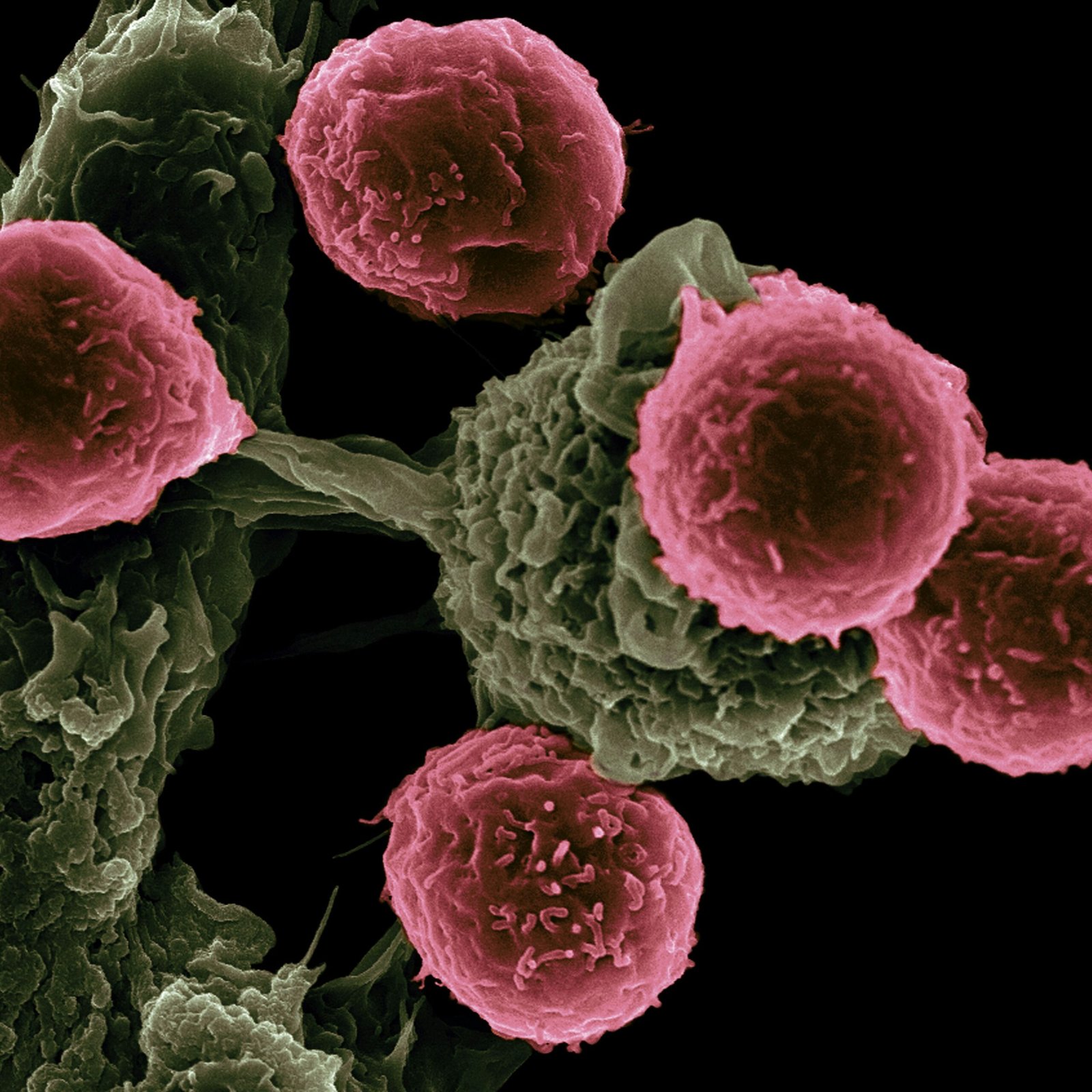
Spearheaded by biotechnology pioneers including BioNTech, Moderna, and premier cancer research institutes worldwide, these therapies do not function like prophylactic childhood vaccines designed to prevent infectious disease. Rather, they are active, tailored immunotherapies: precision medicines engineered from the unique mutational landscape of an individual patient’s tumor, capable of “training” cytotoxic T cells to hunt, identify, and eliminate microscopic tumor cells throughout the body without harming a single healthy cell.
In this deep dive from Reach Technocracy, we explore the molecular mechanics behind this medical breakthrough. We will examine why the immune system fails to naturally eradicate tumors, discover how messenger RNA operates as digital software inside living cells, dissect the pipeline of manufacturing a personalized vaccine within weeks, analyze the lipid nanoparticle delivery architecture, and evaluate the clinical trial data transforming outcomes in melanoma, lung cancer, and pancreatic adenocarcinoma.
1. Tumor Cloaking Mechanisms: Why Immune Defenses Fail to Recognize Malignancy
The human immune system is a formidable cellular army: every day, billions of Cytotoxic CD8+ T Lymphocytes and Natural Killer (NK) cells patrol the vascular system, eliminating infections and destroying aberrant cells before they organize into solid tumors.
How, then, does a malignant neoplasm expand into billions of cells without triggering immune destruction?
Malignant tumors exploit three primary biological survival strategies:
Self-Tolerance and the “Self” Identity Crisis
Because cancer originates from the patient’s own tissue, the overwhelming majority of cell-surface proteins displayed on tumor cells are identical to those on healthy cells. The human immune system possesses strict central and peripheral tolerance checkpoints to prevent white blood cells from attacking host organs (which would cause fatal autoimmune diseases). Tumors exploit this self-tolerance to remain unrecognized.
Immune Checkpoint Hijacking
To prevent destructive inflammatory damage, the body utilizes natural molecular “brakes” — receptor pathways such as PD-1 and CTLA-4. Malignant cells evolve to overexpress a surface ligand called PD-L1. When an activated T lymphocyte approaches a tumor cell to destroy it, the tumor’s PD-L1 binds to the T cell’s PD-1 receptor, transmitting an inhibitory signal that instantly paralyzes the white blood cell.
The Immunosuppressive Tumor Microenvironment
Solid tumors continuously secrete immunosuppressive cytokines (such as TGF-beta and VEGF) and lactic acid, constructing a hostile, hypoxic, and acidic perimeter that physically prevents T cells from infiltrating the tumor core.
2. Neoantigens: The Unique Mutational Barcode of Every Tumor
As malignant cells undergo rapid, uncontrolled mitotic division, their DNA accumulates hundreds or thousands of random somatic mutations. Many of these mutations alter the amino acid sequences of encoded proteins, generating novel, aberrant molecular fragments that exist nowhere else in the healthy human body.
In modern immuno-oncology, these tumor-exclusive mutated peptides are known as Neoantigens.
Neoantigens represent the ultimate therapeutic target:
- They serve as an unambiguous biological barcode unique to each patient’s specific cancer.
- Because they are completely absent from normal tissues, teaching the immune system to recognize these neoantigens allows T cells to attack tumor cells with guided-missile precision and virtually zero autoimmune toxicity to healthy organs.
The historical challenge of medicine was: how do we identify the highest-affinity neoantigens in a patient’s tumor and train the body to eliminate them before metastatic spread?
The answer was unlocked by Synthetic Messenger RNA (mRNA).
3. How mRNA Vaccines Work: Genetic Code as Therapeutic Software
Unlike traditional biological vaccines — which require culturing attenuated pathogens or harvesting recombinant proteins in industrial bioreactors —, synthetic mRNA technology approaches cellular biology as an information-processing system.
Messenger RNA (mRNA) is the temporary molecular transcript that carries protein-coding instructions from genomic DNA in the nucleus to ribosomes in the cytoplasm (the cell’s protein-assembly machinery). It does not integrate into host DNA and is naturally degraded by cellular enzymes within hours.
In a therapeutic cancer vaccine:
- Scientists do not inject live or dead tumor cells; they synthesize a clean strand of mRNA encoding up to 34 individual neoantigen targets unique to that specific patient’s tumor.
- This mRNA is engulfed by Antigen-Presenting Cells (APCs), primarily dendritic cells within the lymph nodes.
- The dendritic cell’s ribosomes translate the mRNA into physical neoantigen peptides.
- The dendritic cells present these neoantigen fragments on their surface to naive T lymphocytes, functioning as an elite target-recognition training protocol: “This is the molecular signature of the tumor. Proliferate and destroy any cell displaying this target.”
- Within days, the patient’s body generates an army of millions of tumor-specific T cells, which circulate systemically to seek out primary tumors and eradicate micrometastases.
4. The Precision Medicine Pipeline: From Biopsy to Vial in Weeks
The most transformative dimension of mRNA cancer vaccines is that every single dose is an entirely custom therapeutic product manufactured for a single individual on Earth. Two patients diagnosed with the same clinical stage of melanoma will receive mRNA formulations with completely different genetic codes.
This bioengineering and computational pipeline executes within a rapid 6- to 8-week turnaround:
Biopsy and Next-Generation Whole-Exome Sequencing
A surgical tumor biopsy is harvested alongside a healthy peripheral blood sample. The clinical oncology team performs deep Next-Generation Sequencing (NGS) across both specimens, achieving sequencing depths exceeding 100x coverage. By comparing the patient’s germline DNA from blood cells against the somatic mutations within the malignant tumor tissue, bioinformaticians filter out benign inherited variants, isolating hundreds of non-synonymous single-nucleotide variants (SNVs), insertions, and deletions that generate mutated peptide sequences.
AI-Driven Neoantigen Prediction and HLA Modeling
Raw sequencing data yields thousands of potential candidate mutations, but fewer than two percent will successfully stimulate a potent cytotoxic immune response. Deep learning neural networks, trained on vast mass spectrometry immunopeptidomic datasets, simulate the biochemical processing of these mutated proteins. The algorithms evaluate proteasomal cleavage patterns, transporter associated with antigen processing (TAP) binding efficiency, and critical spatial binding affinity to the patient’s individual Human Leukocyte Antigen (HLA) Class I and Class II alleles. The software scores, ranks, and filters down the mutational landscape to select the 10 to 34 most immunogenic neoantigen targets displaying the highest probability of triggering durable T-cell activation.
Automated Chemical Synthesis and Lipid Nanoparticle Encapsulation
Once the computational neoantigen sequence is finalized, high-throughput automated enzymatic synthesis platforms transcribe the synthetic mRNA strand in dedicated cleanroom facilities. The mRNA incorporates engineered structural elements, including a 5-prime Cap-1 structure, optimized 5-prime and 3-prime untranslated regions (UTRs), pseudouridine base modifications to prevent premature innate immune degradation, and an extended poly(A) tail to maximize ribosomal translation kinetics. To enable intracellular cytosolic delivery across the hydrophobic cellular membrane, the fragile mRNA molecules are formulated inside specialized Lipid Nanoparticles (LNPs) composed of ionizable cationic lipids, helper distearoylphosphatidylcholine (DSPC), cholesterol for structural stability, and polyethylene glycol (PEG) lipids to prevent aggregation.
Combination Therapy with Immune Checkpoint Inhibitors
The personalized vaccine is administered via intramuscular injection in serial priming and booster doses. To maximize clinical efficacy, personalized mRNA vaccines are paired synergistically with immune checkpoint inhibitors, such as anti-PD-1 monoclonal antibodies (Pembrolizumab / Keytruda or Nivolumab / Opdivo). While the mRNA vaccine acts as the accelerator — mobilizing and expanding an elite army of millions of neoantigen-specific cytotoxic T cells —, the checkpoint inhibitor cuts the tumor’s biological brakes, preventing malignant cells from shutting down T-cell activity via the PD-L1 pathway upon arrival at metastatic sites.
5. Clinical Milestones, Cancer Types, and Scaling Challenges
The therapeutic efficacy of personalized mRNA vaccines is already substantiated across high-profile human clinical trials:
Advanced Melanoma: The Landmark mRNA-4157 / V940 Trial
In Phase 2b clinical trials conducted by Moderna and Merck (MSD) in high-risk resected melanoma (Stages III/IV), combining the personalized mRNA vaccine with pembrolizumab reduced the risk of recurrence or death by 44% and cut the risk of distant metastasis by 65% compared to standard checkpoint immunotherapy alone.
Pancreatic and Colorectal Cancers: BioNTech’s Frontiers
Investigators at Memorial Sloan Kettering Cancer Center utilizing BioNTech’s personalized mRNA candidate (Autogene Cevumeran) in pancreatic ductal adenocarcinoma — historically one of the most lethal and treatment-resistant malignancies in oncology — demonstrated that half of vaccinated patients mounted robust, long-lasting neoantigen-specific T cell responses that correlated with prolonged disease-free survival over multi-year follow-ups.
Manufacturing Bottlenecks and Global Equity
Despite profound scientific success, personalized immunotherapy faces real-world hurdles:
- Turnaround Latency: In rapidly progressing metastatic cancers, waiting 6 to 8 weeks for sequencing, computational modeling, and synthesis poses clinical risk. Biotech teams are leveraging generative AI to condense this window to under 3 weeks.
- Manufacturing Economics: Producing bespoke, single-patient batches remains cost-intensive. Scaling micro-bioreactor automation to democratize global access within public healthcare systems is the paramount challenge of the coming decade.
6. Conclusion: The Era of Software-Driven Immuno-Oncology
For more than a century, cancer therapy was defined by a brutal war of attrition: attempting to poison the tumor faster than the treatment destroyed the patient.
Personalized mRNA cancer vaccines represent a definitive paradigm shift. By transforming genetic code into an adaptable biological software language, modern medicine is no longer searching for generic chemical poisons; it is providing our own immune system with the exact molecular intelligence required to heal the human body from within.
At Reach Technocracy, we will remain dedicated to analyzing each clinical milestone, regulatory approval from the FDA and global agencies, and molecular discovery that turns science fiction into life-saving reality for millions of patients worldwide.
Do you believe personalized mRNA vaccines and immunotherapy will turn cancer into a manageable or curable condition within the next decade? Share this article with your network of health and technology enthusiasts, and let us know your thoughts in the comments below!
🔭 Continue Exploring the Frontier of Science and Technology: